01TRAIN
Inspector training
Introduce selected defect types and help inspectors practice recognition within your training program.
For QC, validation & visual inspection teams
Project-specific challenge sets for inspector training, qualification, Knapp comparative studies, and automated visual inspection development and validation support.
Tell us what your study needs. This is a call request, not a meeting booking; we will follow up to arrange a suitable time.
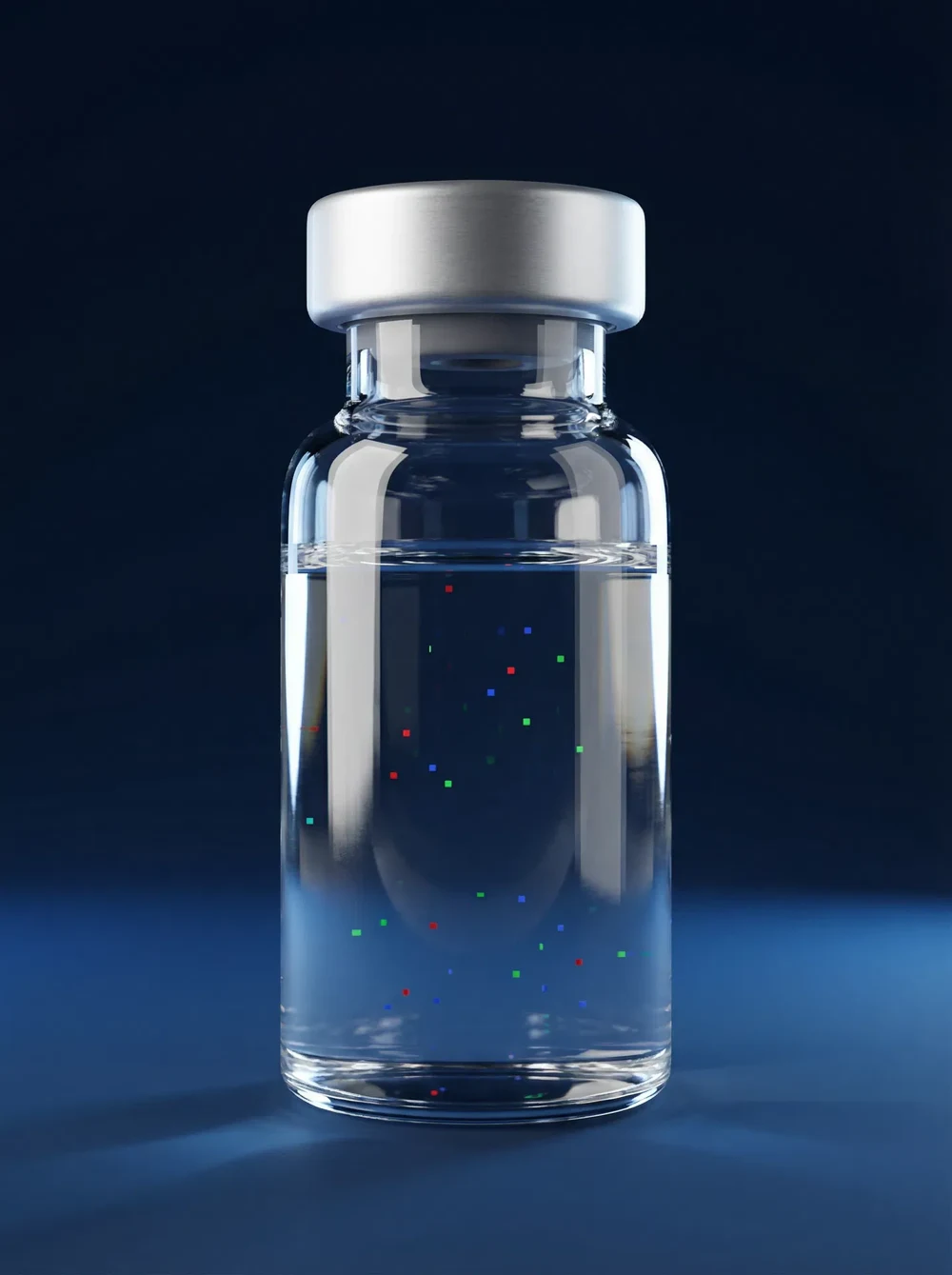
A defect set and CoC, with unit identification and defect inventory agreed in the project specification.
Use cases
Begin with the decision your study needs to support, then define the kit around it.
01TRAIN
Introduce selected defect types and help inspectors practice recognition within your training program.
02QUALIFY
Scope challenge units around your inspection method, qualification protocol, and site-defined criteria.
03COMPARE
Plan a defect set for comparative studies and probability-of-detection assessments under your study conditions.
04DEVELOP
Support automated visual inspection development and validation activities with project-specific challenges.
Your team approves suitability for the intended use, the protocol, and acceptance criteria. A test kit is one input to your inspection program.
Selected defect scope
Discuss the materials and visible attributes you need. Feasibility and the final defect selection are subject to the agreed project scope.
Broad material families to discuss
Material, form, size requirements, and quantities are reviewed together—not every material or defect is feasible for every configuration.
Selected visible defects to discuss
Visible closure or seal defects do not establish container closure integrity (CCI). Any integrity assessment requires its own suitable method and protocol.
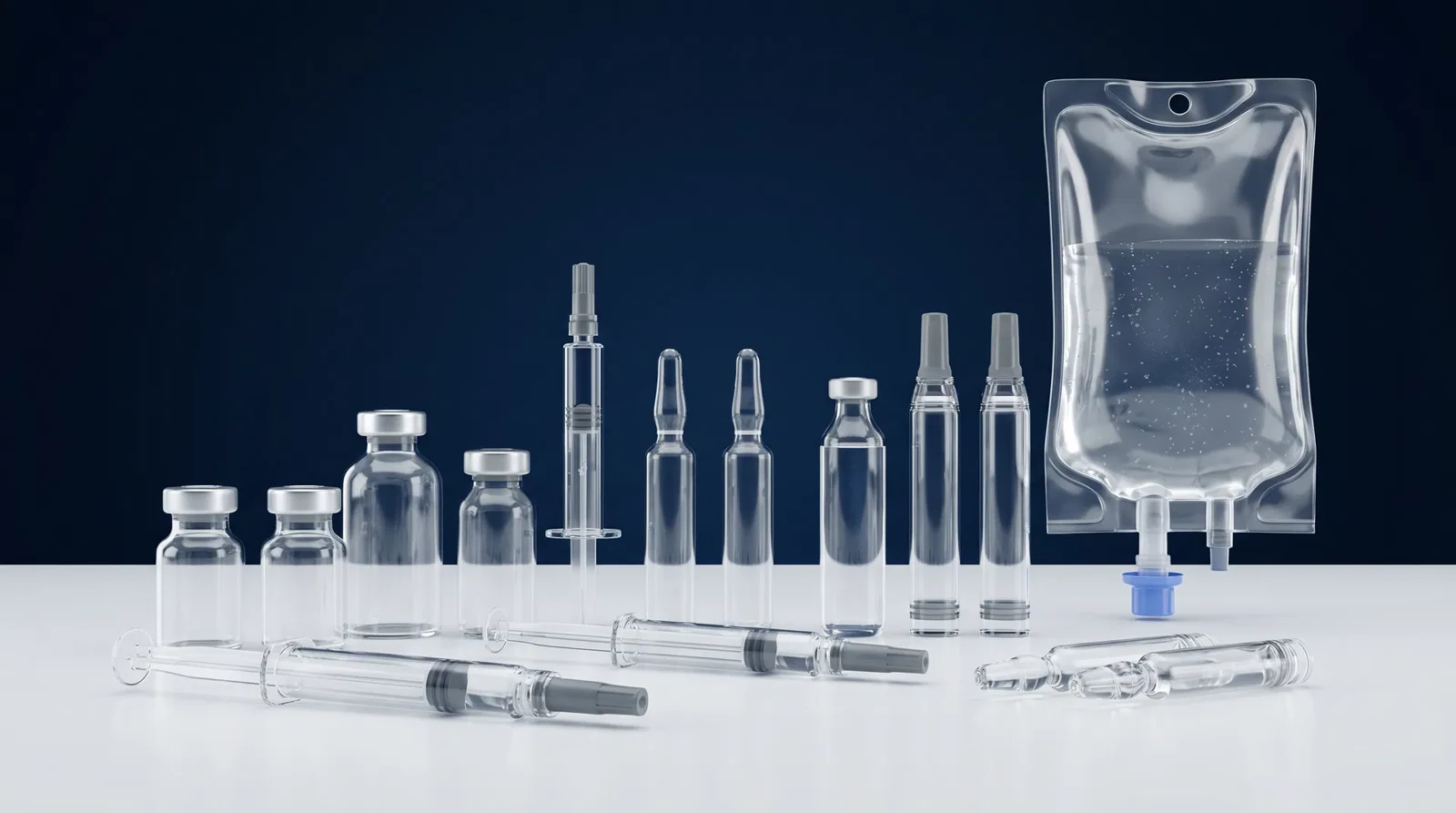
Container & fill
Vials, syringes, cartridges, ampoules, bags, and bottles can be discussed. Share your container, closure, and fill requirements so feasibility can be reviewed.
Product or surrogate selection and any required appearance or flow characteristics belong in the approved specification.
Explore the defect-kit serviceDocumentation included
The CoC documents the preparation—not a claim of regulatory approval or suitability for every study.
Optional images of seeded particles are available. Discuss image needs when defining the scope.
Unit identification and defect inventory are agreed in the project specification. Defect-free units can be discussed per your approved protocol; they are not assumed to be included.
How it works
Four steps, with scope and timing agreed before preparation begins.
Start with a free 15-minute scope call about your container, fill, inspection method, and target defects.
Review feasibility, unit identification, defect inventory, quantities, documentation, pricing, and timing before approval.
The approved scope guides the materials and step-by-step preparation process. Discuss any required changes before proceeding.
Receive the agreed defect set with its Certificate of Conformance and any optional seeded-particle images you requested.
Common questions
Practical details to help you prepare your request.
YB supplies a Certificate of Conformance with the defect test set. It records the instruments used, materials used and step-by-step preparation process. The scope call establishes the project specifications and documentation needs. A CoC is not regulatory approval or a substitute for the customer's qualification of the set for its intended use.
Yes. Images of the particles seeded in the set are available as an optional addition. Discuss the image scope and format when requesting your quote. The illustrations on this page are not examples of those optional particle images.
Discuss your vial, syringe, cartridge, ampoule, bag or bottle presentation and intended manual, semi-automated or automated inspection use. Configuration and feasibility are agreed for the specific product, container, defect population and protocol rather than assuming one set suits every application.
Continued suitability depends on the actual formulation or surrogate, container, seeded defects, storage, handling and use. The customer should establish lifecycle controls and review criteria for the approved intended use. Absence of microbial growth alone does not prove suitability; no blanket shelf-life guarantee is made here.
No. Submitting this form requests a free 15-minute scope conversation. YB reviews your details and contacts you to arrange a time. It does not book a meeting, place an order or commit you to a purchase. Timing, feasibility and pricing are confirmed after the scope is agreed.
Let’s define your scope
A short conversation to review your study requirements and the next steps for a project-specific quote.
Submitting a request does not book a meeting. We will follow up to arrange a suitable time.
Prefer email?
info@ybinspection.comA few details help us prepare. Required fields are marked *.